

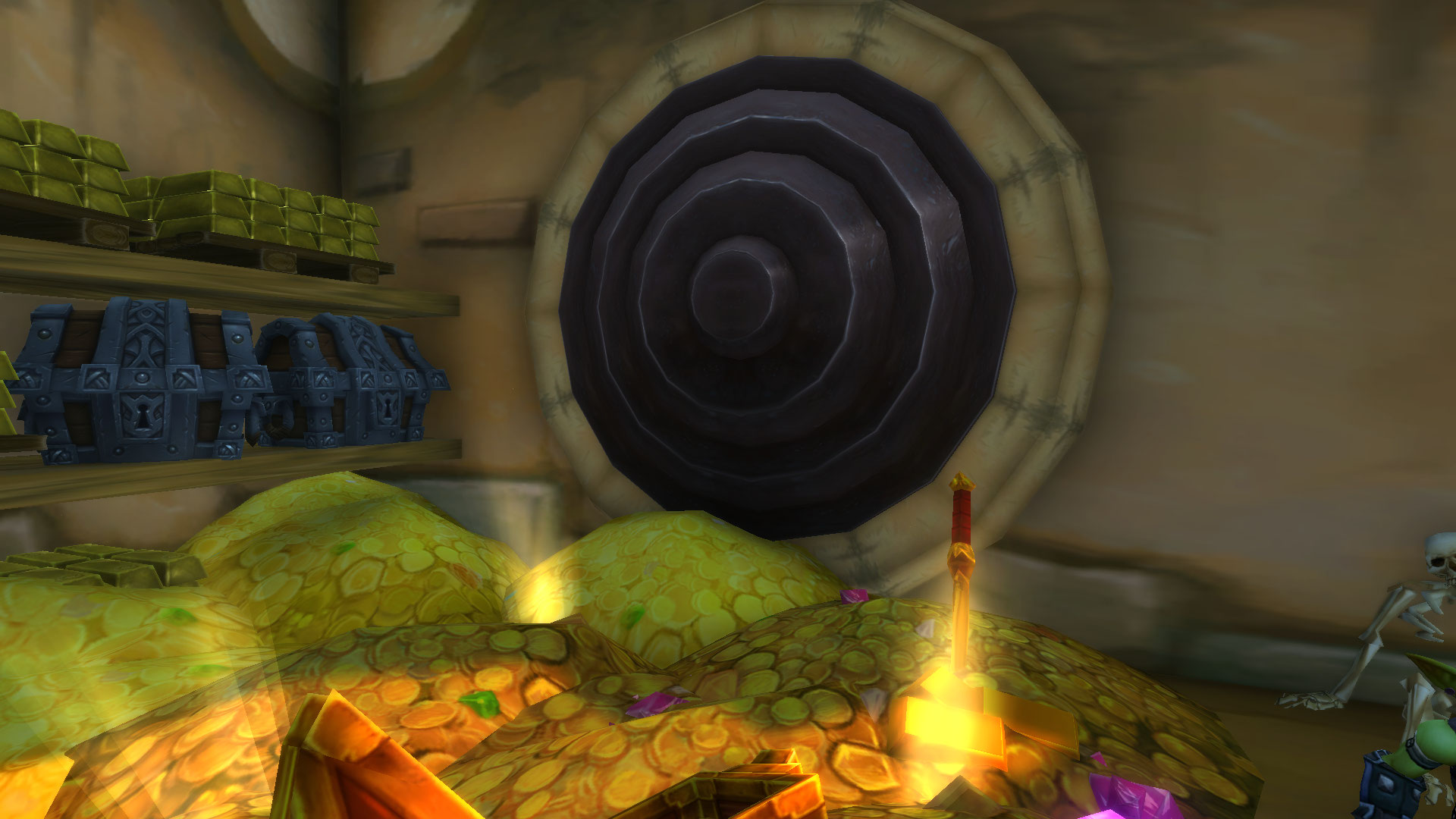
Managing loot distribution in a forty-player Classic WoW raid team can be a daunting task, especially when considering fairness and transparency. Proper guild bank management is essential for maintaining morale and ensuring that all players feel valued. This guide will explore effective strategies for loot distribution, the mechanics behind fair allocation, and best practices for guild leaders to implement.

What are the best practices for loot distribution in Classic WoW raids?
Implementing a transparent loot distribution system is crucial for maintaining fairness in Classic WoW raids.
In a forty-player raid, the challenge of distributing loot fairly can lead to disputes and dissatisfaction among members. To mitigate these issues, guild leaders should establish clear guidelines that everyone understands. Common methods include loot councils, DKP (Dragon Kill Points), and open rolls. Each method has its pros and cons, but the key is to ensure that all members feel they have an equal opportunity to receive loot based on their contributions and attendance.
For example, a loot council can prioritize gear for players who consistently show up and perform well, while DKP systems reward attendance and participation over time. Open rolls can be exciting but may lead to feelings of unfairness if not managed properly. The chosen method should align with the guild’s culture and the expectations of its members, fostering a sense of community and shared goals.
How do I set up a fair loot distribution system for my guild?
Setting up a fair loot distribution system requires clear communication, defined rules, and consistent enforcement.
To establish a successful loot distribution system, guild leaders should follow a structured approach. Begin by selecting a method that fits the guild’s dynamics, whether it’s DKP, loot council, or another system. Next, communicate the rules clearly to all members, ensuring everyone understands how loot will be distributed and the criteria for receiving it. This transparency is vital for building trust among members.
- Define the loot distribution method (e.g., DKP, loot council, open rolls).
- Communicate the rules and criteria for loot eligibility to all members.
- Track attendance and performance metrics to inform distribution decisions.
- Regularly review and adjust the system based on member feedback and participation rates.
Additionally, consider implementing a tracking system for attendance and performance metrics, which can help in making informed decisions during loot distribution. Regularly reviewing the system and soliciting feedback from guild members can also help refine the process and address any concerns that arise.
What metrics should I track for fair loot distribution?

Tracking attendance, performance, and contribution metrics is essential for fair loot distribution in raids.
To ensure a fair loot distribution process, it’s important to track several key metrics that reflect a player’s contributions to the raid. These metrics can include attendance rates, damage dealt, healing output, and overall participation in raid mechanics. By analyzing these factors, guild leaders can make informed decisions about who should receive loot based on merit and contribution rather than favoritism.
| Metric | Description | Importance | Tracking Method |
|---|---|---|---|
| Attendance Rate | Percentage of raids attended by a player. | Reflects commitment to the guild. | Guild logs or attendance spreadsheets. |
| Damage Dealt | Total damage output during raids. | Indicates performance and contribution. | Damage meters or combat logs. |
| Healing Output | Total healing done during raids. | Shows effectiveness in support roles. | Healing meters or combat logs. |
By consistently tracking these metrics, guild leaders can better assess which players are contributing the most to raid success. This data-driven approach can help in making equitable decisions during loot distribution, fostering a sense of fairness and accountability within the team.
How can I maintain fairness in loot distribution over time?
Maintaining fairness in loot distribution requires ongoing communication, regular reviews, and adjustments based on feedback.
To ensure that the loot distribution system remains fair over time, guild leaders must prioritize ongoing communication with their members. Regularly discussing the loot distribution process and any concerns that arise can help identify potential issues before they escalate. Additionally, guild leaders should be open to feedback and willing to make adjustments to the system as needed, based on the evolving dynamics of the raid team.
Another effective strategy is to establish a rotation system for high-demand items, ensuring that all players have an opportunity to receive coveted gear. This can be particularly important for items that are crucial for specific roles or classes. By implementing a rotation, guild leaders can help mitigate feelings of resentment among members who may feel overlooked in the distribution process.
What are the best practices for resolving loot disputes in my guild?
Resolving loot disputes effectively requires a clear process, open communication, and a focus on fairness.
When disputes arise over loot distribution, it’s essential to have a clear process in place for resolution. Guild leaders should encourage open communication among members and provide a safe space for players to express their concerns. Establishing a designated mediator, such as a trusted officer or guild leader, can help facilitate discussions and ensure that all viewpoints are considered.
In addition, documenting loot distribution decisions and the rationale behind them can provide transparency and help prevent future disputes. If a player feels they were unfairly overlooked for an item, having a documented process can clarify the decision-making criteria and reinforce the fairness of the system. Ultimately, fostering a culture of respect and open dialogue can significantly reduce the likelihood of disputes and enhance overall guild cohesion.
How can I ensure long-term sustainability of my guild‘s loot distribution system?
Ensuring long-term sustainability of a loot distribution system involves regular evaluations, member engagement, and adaptability.
To maintain a sustainable loot distribution system, guild leaders should commit to regular evaluations of the process. This includes assessing the effectiveness of the chosen distribution method, tracking member satisfaction, and making adjustments based on feedback. Engaging members in discussions about the system can foster a sense of ownership and investment in its success.
Additionally, as the game evolves and new content is released, guild leaders should be prepared to adapt their loot distribution strategies to align with changing dynamics. This may involve revisiting the chosen method, updating tracking metrics, or implementing new technologies to streamline the process. By remaining flexible and responsive to the needs of the guild, leaders can ensure that the loot distribution system remains effective and equitable over the long term.
Frequently Asked Questions
What is the best loot distribution method for a large raid team?

The best loot distribution method for a large raid team often depends on the guild’s culture and player preferences. DKP systems are popular for their fairness in rewarding attendance and participation, while loot councils can prioritize skilled players. Open rolls can be exciting but may lead to disputes if not managed properly.
How can I track attendance and performance in my guild?
Attendance and performance can be tracked using guild management tools, spreadsheets, or specialized software. Damage meters and healing logs can provide insights into player contributions, while attendance logs can help track who shows up for raids. Regularly reviewing this data can inform loot distribution decisions.
What should I do if a member feels unfairly treated in loot distribution?
If a member feels unfairly treated, it’s important to address their concerns promptly. Encourage open communication and provide a designated mediator to facilitate discussions. Documenting loot decisions can also help clarify the rationale behind distributions and reinforce fairness within the guild.
